Porsche 911 Generations: A Complete History
- Sixty years of the same idea, done differently every time
- The car that was almost called the 901
- The G-series: the shape settles in
- The 964: familiar face, new everything
- The 993: the last of the air
- Water, heresy and survival
- The car built to kill the 911
- Key Porsche 911 generations at a glance
- Frequently asked questions
There is a game you can play with almost any car enthusiast, and it works because we all cheat at it the same way. Ask someone to sketch a Porsche 911 on the back of a receipt, and whatever their talent, out comes the same thing: the domed bonnet, the round headlights, the roof that slides away to a tail like a raindrop. We know the shape before we know the facts. What most of us do not know is how much has changed underneath it, how close the whole thing came to never being called the 911 at all, and how the company once built an entirely different car specifically to put it out of its misery. That is the story worth telling, because the Porsche 911 is far stranger, and far luckier, than its reputation for effortless continuity suggests.
Sixty years of the same idea, done differently every time
The temptation with the 911 is to treat it as a car that never really changed, a sort of automotive tortoise that simply plodded along being excellent while everything around it came and went. It is a nice story. It is also nonsense. The truth is that Porsche has quietly rebuilt this car from the ground up several times over, always keeping the outline and almost never keeping the substance, and the interesting bit is why. What follows is not a spec-sheet parade. It is the handful of moments where the 911 nearly tripped over its own feet, and the reasons it never quite did.
The car that was almost called the 901
Start at the beginning, because the beginning is quietly ridiculous. When the successor to the 356 appeared at the Frankfurt show in 1963, it wore the name 901, following Porsche’s internal project numbering. The company built 82 cars badged as 901s and had already punched the little metal 9, 0 and 1 for the rear of the car and printed the brochures, when a letter arrived from Peugeot. The French firm claimed it owned, in France, the rights to any three-digit car name with a zero in the middle, a scheme it had been using since the 1920s. Porsche had a choice: fight, or improvise.
What Ferdinand Butzi Porsche did next was almost absurdly neat. Rather than commission a whole new name, he simply doubled the one, turning the troublesome zero into a second one. The 901 became the 911, the already-punched metal letters were quietly reordered, and a legend was born out of a trademark squabble. There is a lovely footnote to this. The number turned out to be a gift in America, where 911 was already the emergency line, familiar and impossible to forget, and it helped the car lodge in the national memory.
Peugeot, for its part, never did build a 901. And of the 999 possible numbers in Porsche’s 900 series, something like 975 have since been used, which tells you how seriously Zuffenhausen took its own counting.
One more thing the badge-spotters enjoy: the racing 904 dodged the same problem by being sold as the Carrera GTS, and for years the internal part numbers for the road car kept the 901 prefix anyway, as if the company could not quite let the original name go. It could not. Nor, frankly, can the rest of us.
The G-series: the shape settles in
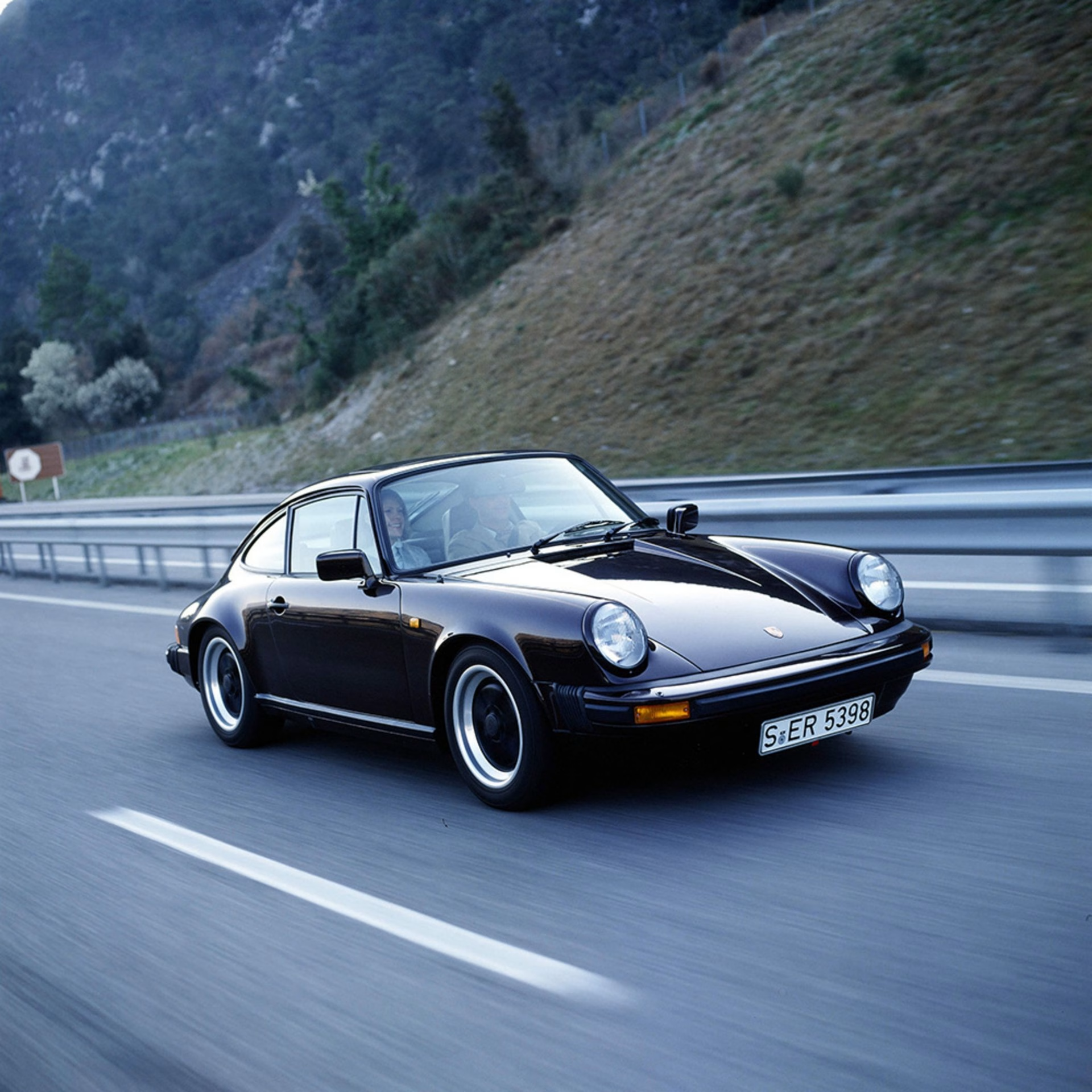
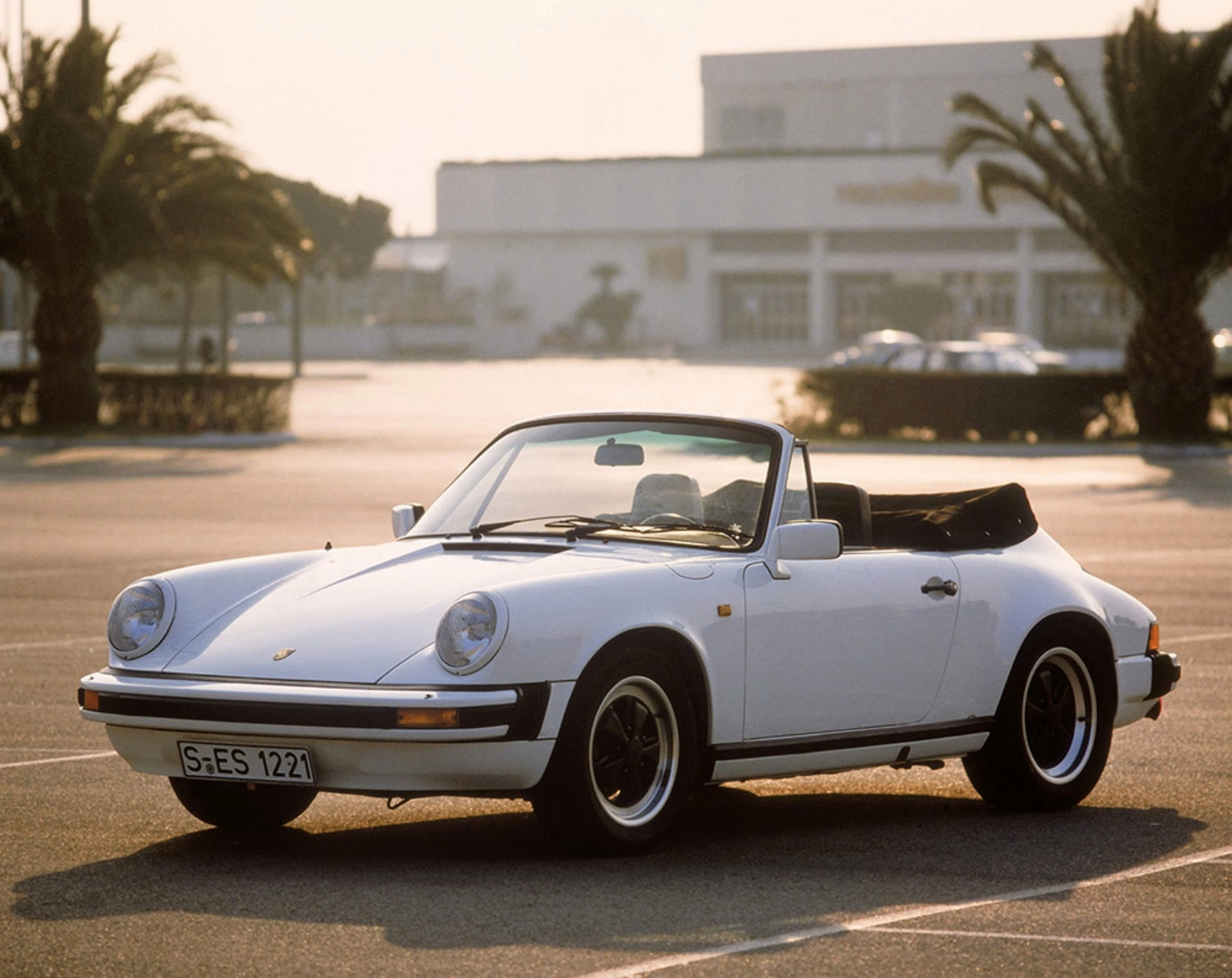
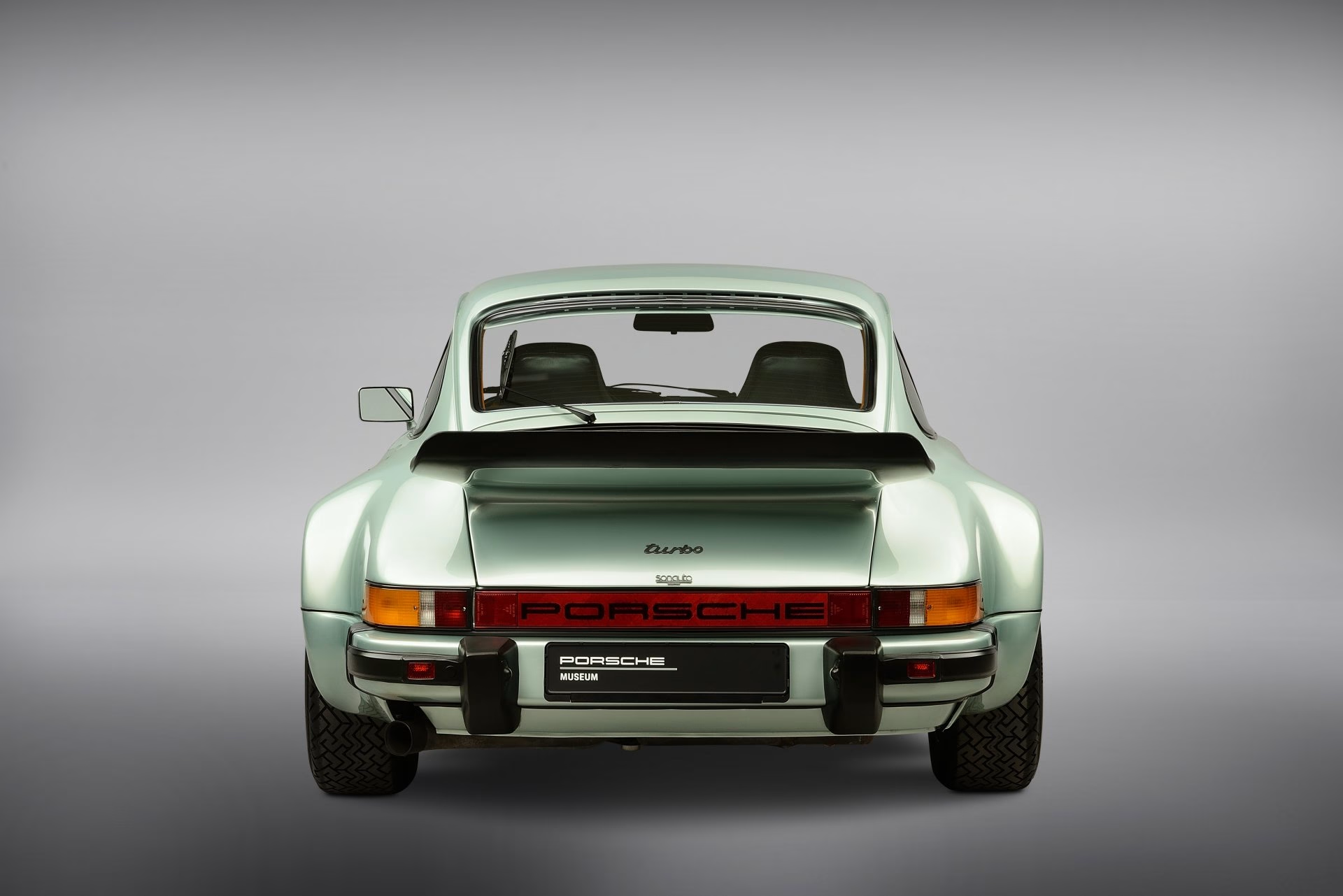
If you learned the 911 from posters and films, the car in your head is probably a G-series. Built from 1973 all the way to 1989, it is the generation that taught the world the shape, and it did so partly by accident of legislation. Those chunky black concertina bumpers, so beloved now, arrived to satisfy new American crash rules demanding survivable low-speed impacts, and Porsche integrated them so cleverly that a safety regulation became a styling signature. This is a recurring 911 trick, turning a constraint into a feature and then charging you extra for it.
The G-series also gave us the first Targa, the first turbocharged 911, and the open-topped Cabriolet that arrived in the early 1980s, the model that finally admitted the 911 could be a car you simply enjoyed rather than merely mastered. It is worth remembering how long this generation soldiered on.
Sixteen years is an eternity in car terms, and by the end Porsche had sold getting on for 200,000 of them, a figure that matters enormously to the next part of this story.
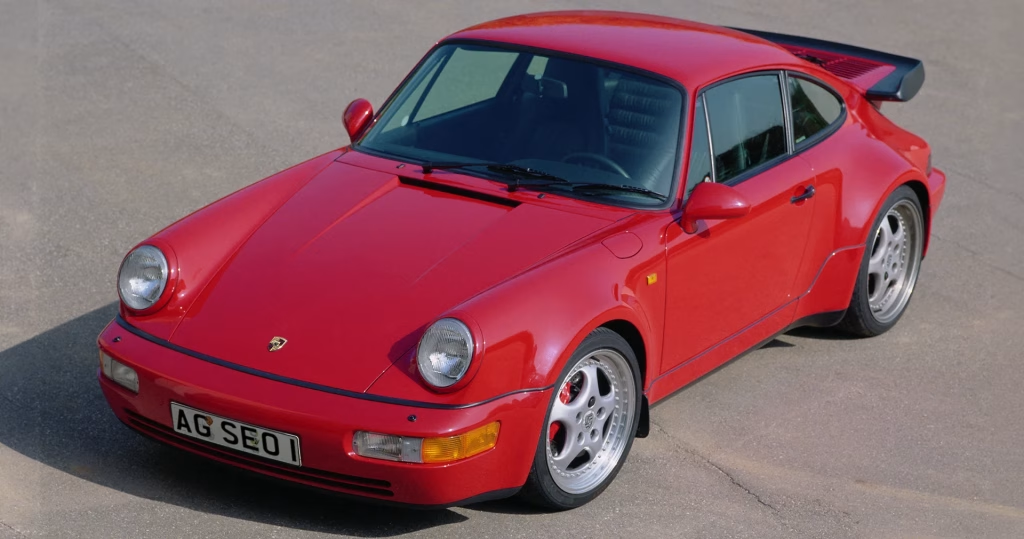
The 964: familiar face, new everything
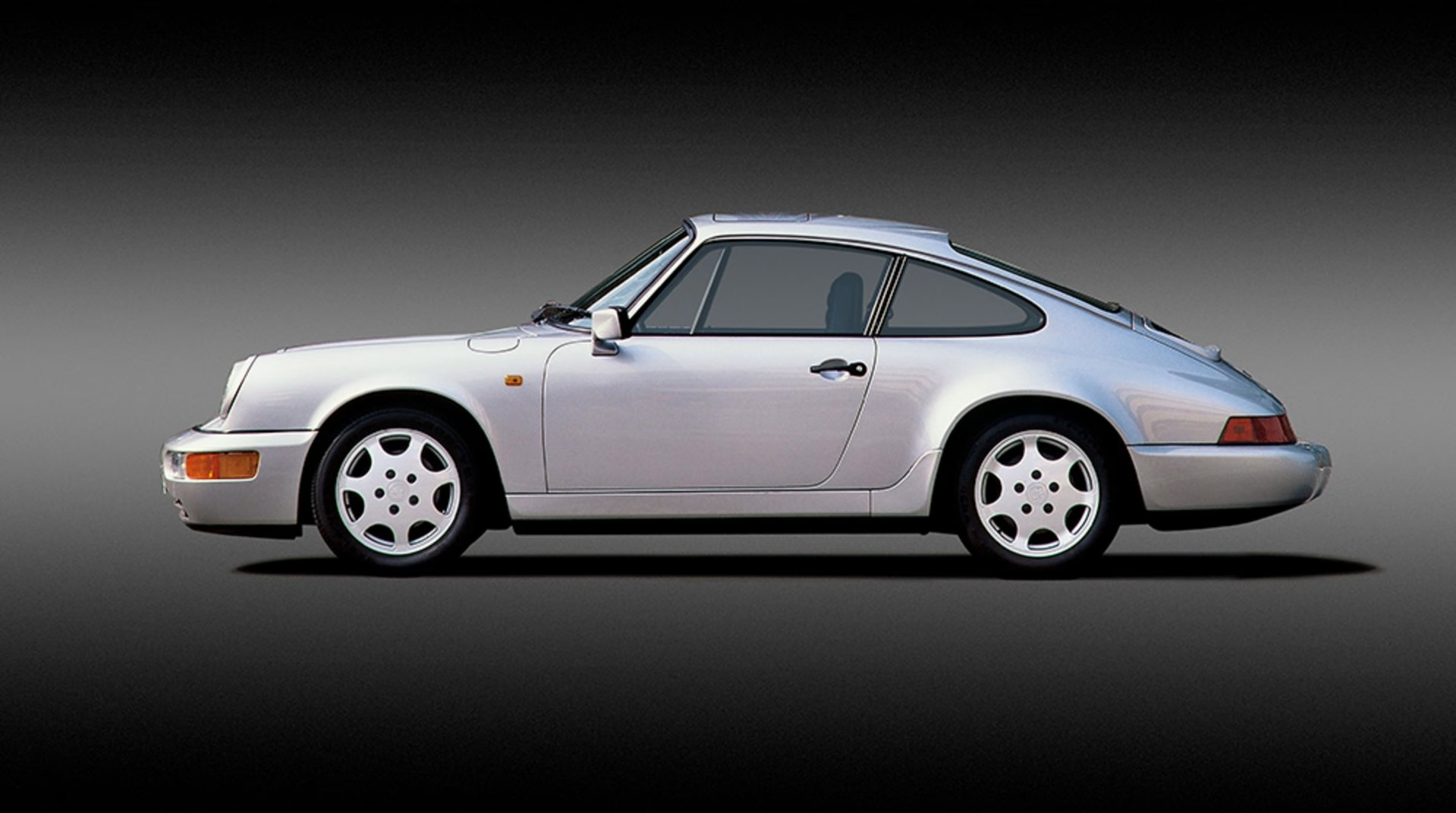
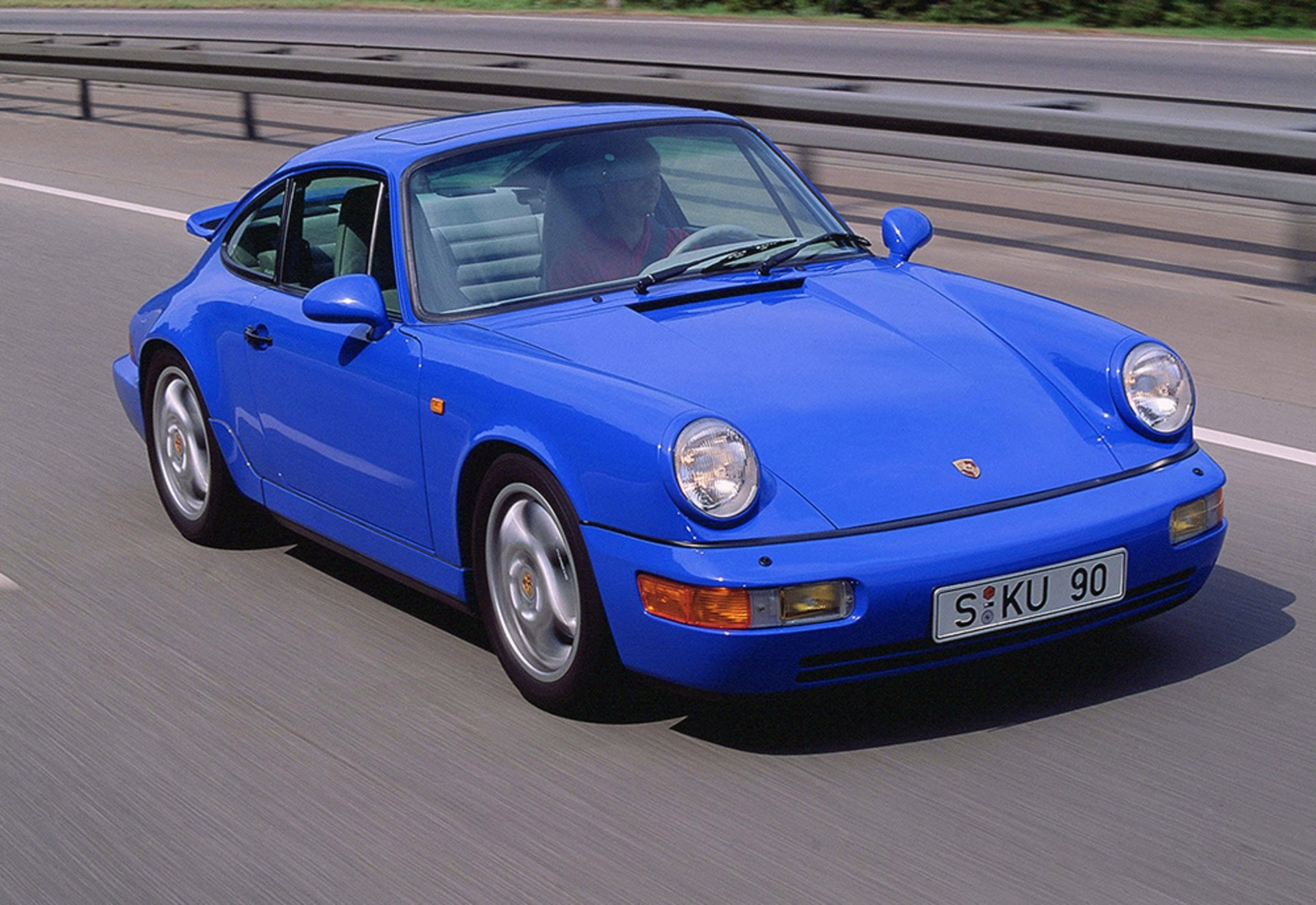
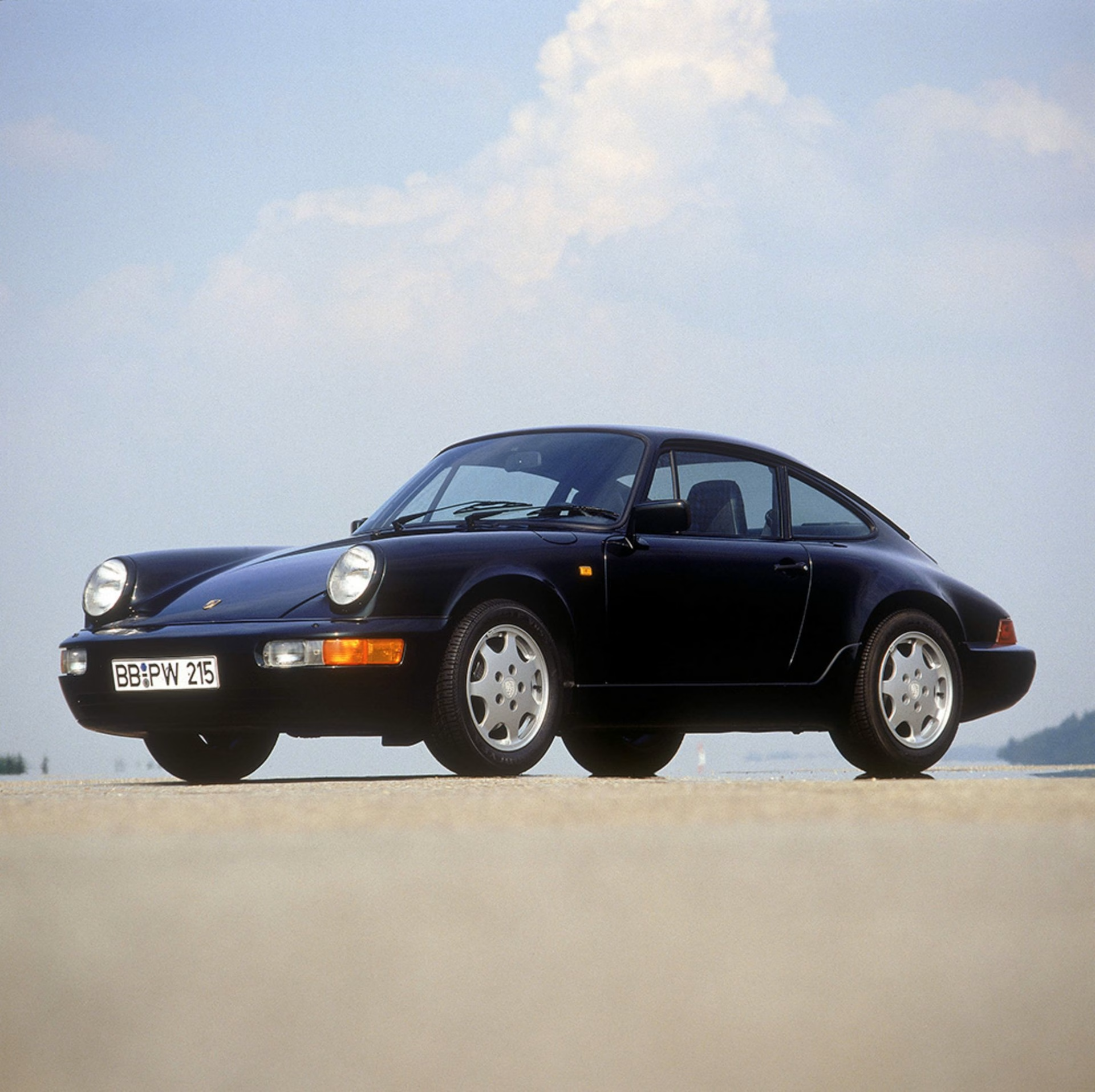
Here is the fact that surprises people who think the 911 changes slowly. When the 964 arrived in 1989, it looked like a smoothed-over G-series, the same silhouette with the bumpers finally tucked in flush. Underneath, roughly 85 per cent of the car was brand new.
New suspension, ABS, power steering, a bigger 3.6-litre flat-six, and a retractable rear spoiler that rose at speed and settled back down when you slowed, so the classic profile survived at rest. Porsche had performed open-heart surgery and left the face untouched, which is either commendable restraint or an elaborate confidence trick, depending on your mood.
The 964 also did something genuinely radical for a 911: it drove all four wheels. The launch model was the Carrera 4, and its all-wheel-drive system was lifted from the 959, the technological moonshot Porsche had built in the mid-1980s.
Cleverly, the system leaned on the sensors already fitted for the ABS to work out where the grip was going, which is the sort of thrifty engineering that rarely makes the brochure but quietly defines a company. The rear-drive Carrera 2 followed, and to this day enthusiasts argue about which is the better car, which is another way of saying both are very good.
The 993: the last of the air
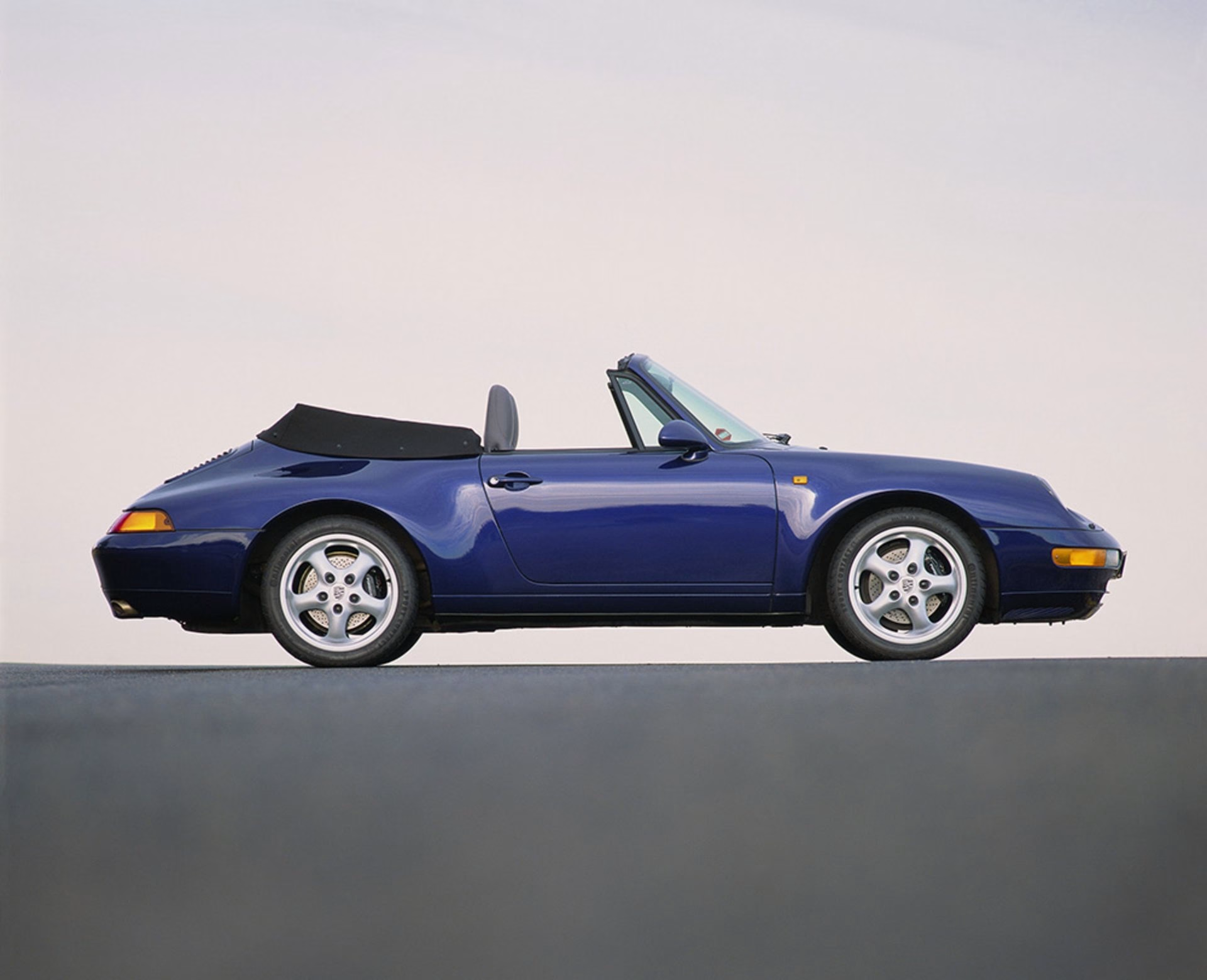
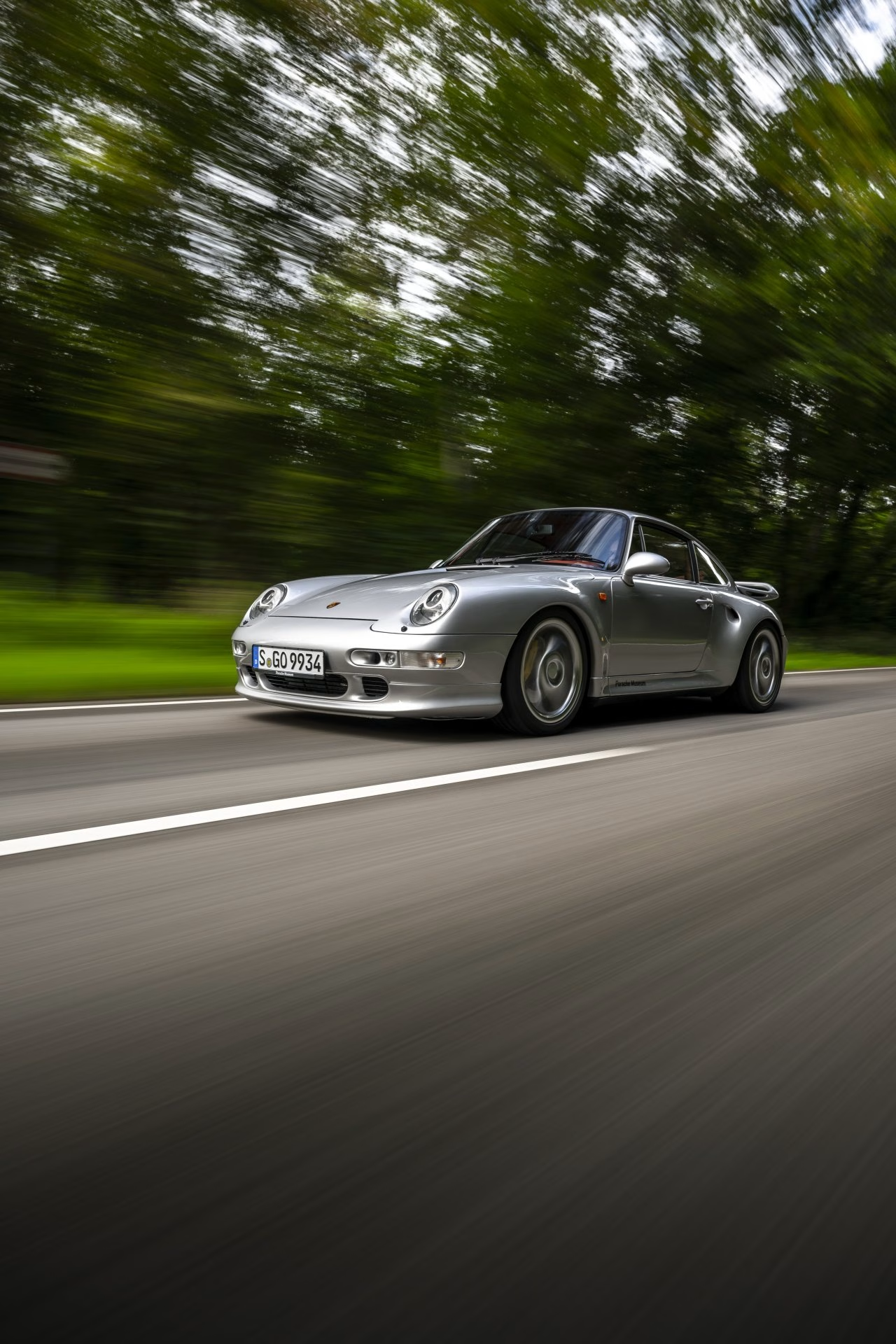
Ask a certain kind of Porsche obsessive to name the best 911 and they will not hesitate: the 993. There is romance in this, but there is also reason. Built from 1994 to 1998, the 993 was the last air-cooled 911 and, just as significantly, the last that was largely built by hand. It was also the first 911 to get a six-speed gearbox, and its all-wheel-drive system swapped the 964’s heavier hardware for a lighter viscous coupling borrowed, once again, from 959 thinking.
The styling was the work of Tony Hatter, who canted the headlamps back, flattened the wings and gave the rear those wide, muscular hips, borrowing cues from the 928 and the 959 to do it.
The result looked resolved in a way no previous 911 quite had, modern and ancient at once. There is a nice piece of trivia buried in the range too: a 993 GT2 served as the Formula One safety car in 1995, which is a fittingly hardcore send-off for the end of the air-cooled line. When production stopped, a door closed that has never reopened. Every 911 since has been cooled by water, and a certain kind of enthusiast has been quietly mourning ever since.
Water, heresy and survival
The switch to water cooling with the 996 in 1997 is usually told as a betrayal, and the fried-egg headlights certainly did not help. But strip away the sentiment and it was a rescue. By the mid-1990s Porsche was in real trouble, selling three expensive, ageing and utterly unrelated models, with tightening emissions rules poised to finish off air cooling for good.
The new boss, Wendelin Wiedeking, made a cold decision that saved the company: build a new water-cooled 911 and a cheaper mid-engined sister car alongside it, sharing as many parts as possible to spread the cost.
That sister car was the Boxster, and the two shared something like 30 per cent of their components, including, to the horror of purists, those headlights and much of the interior. Enthusiasts grumbled that the 911 had been cheapened.
What actually happened is that the shared-parts gamble kept the lights on at Zuffenhausen, and the 911 lived to fight another day. It is easy to be sniffy about the 996 now. It is harder to argue with the fact that without it, there might be no 911 at all. Sentiment is a luxury that solvent companies can afford, and in 1997 Porsche could not.
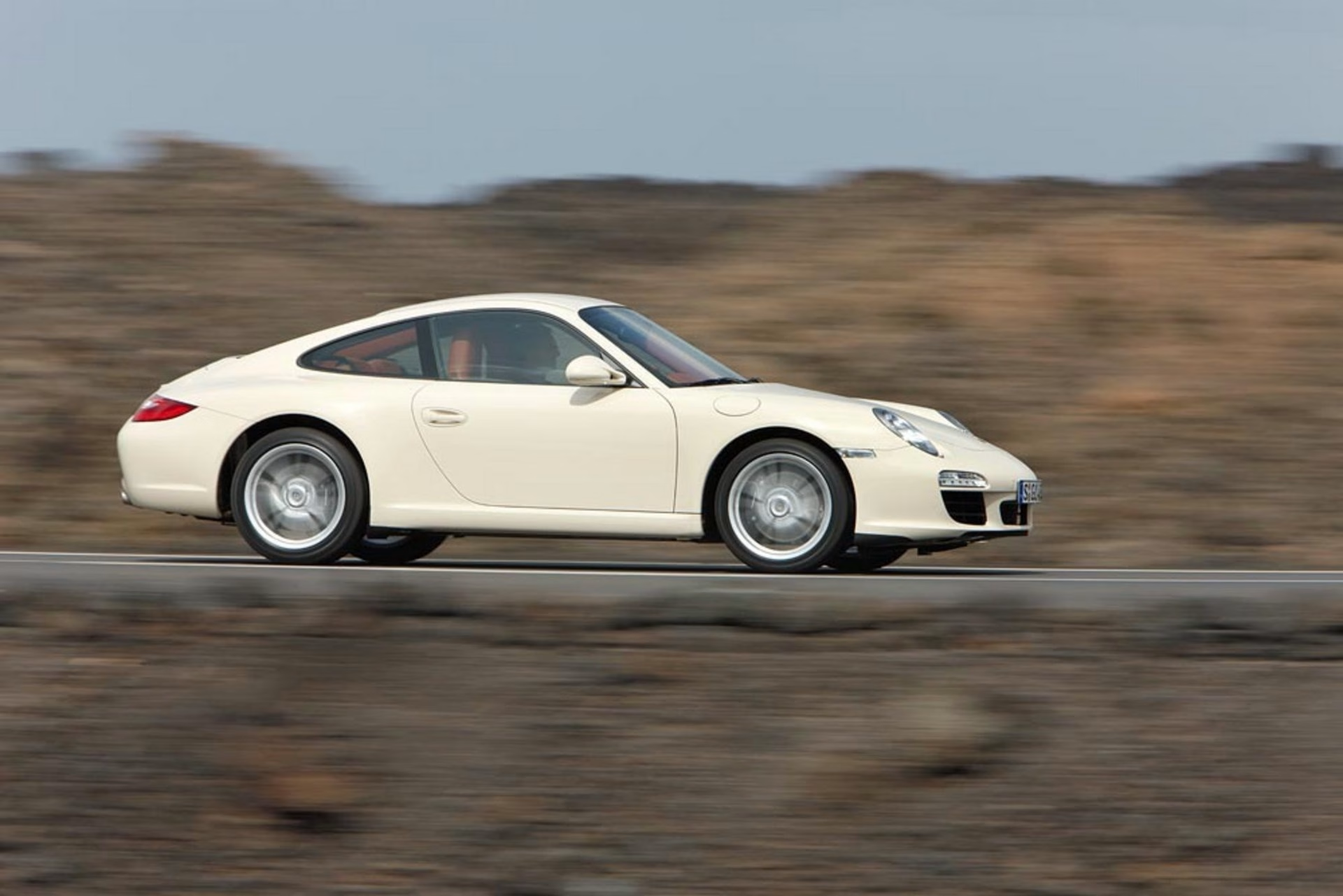
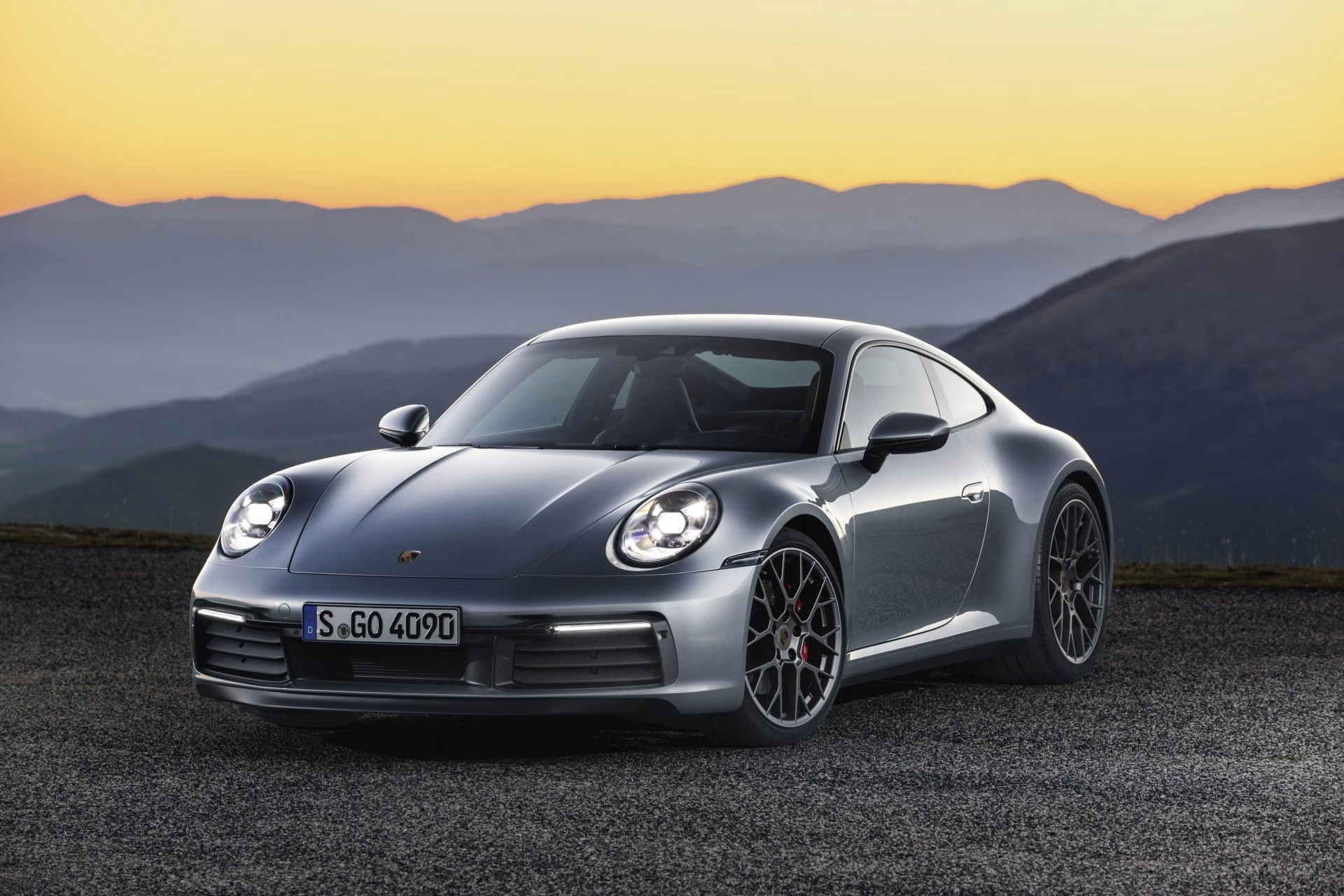
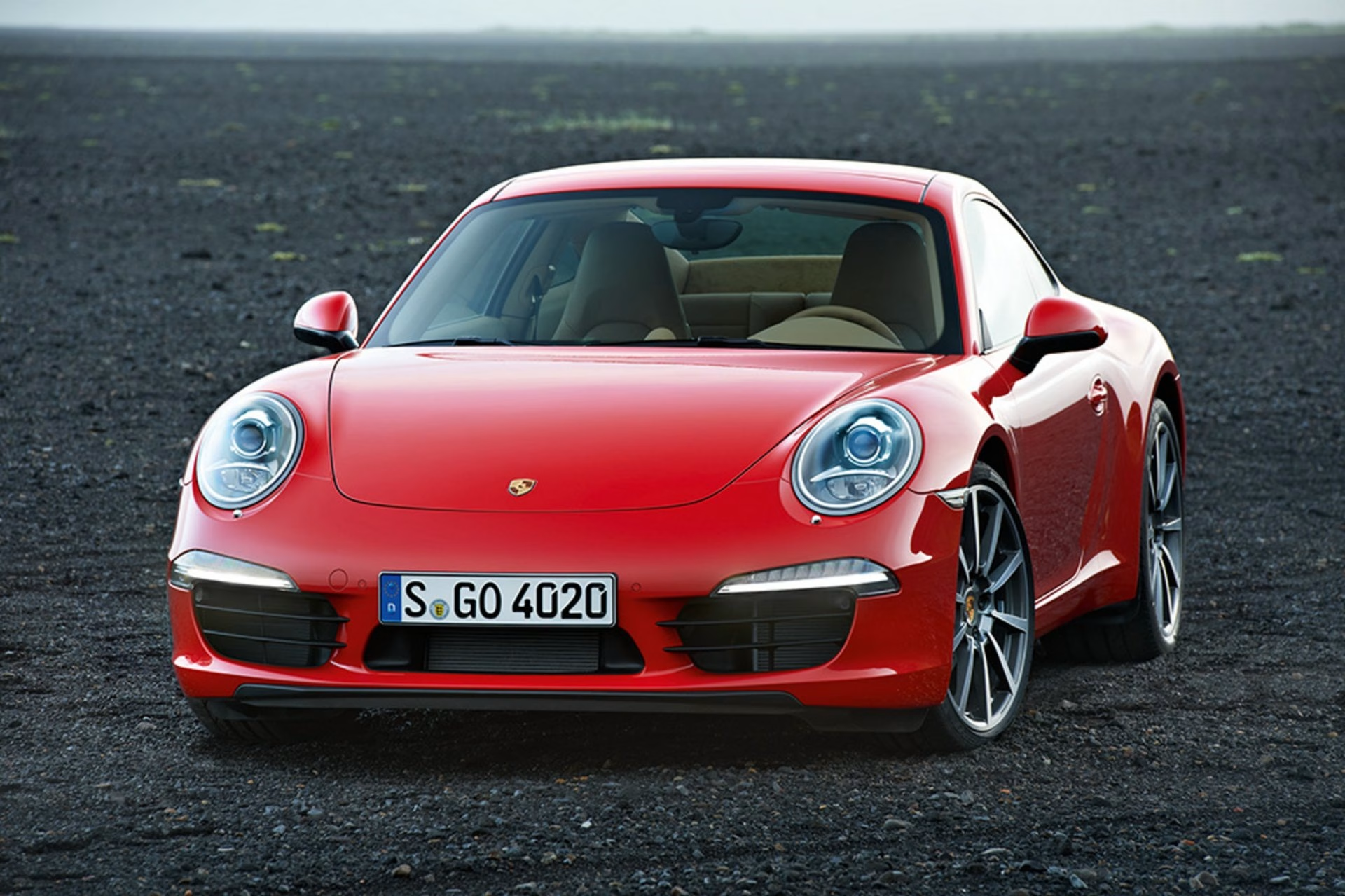
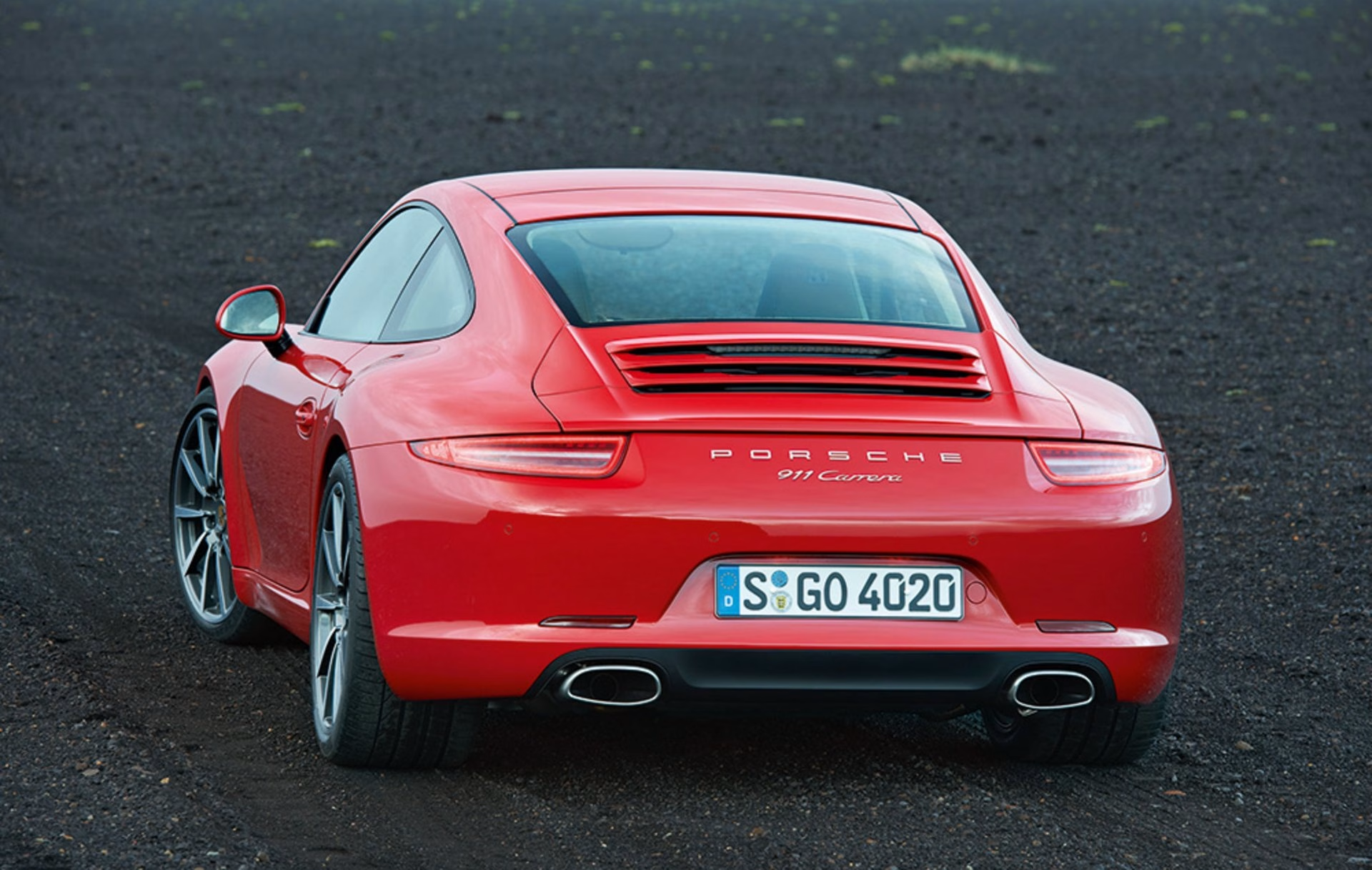
From there the modern era falls into place. The 991 arrived in 2011 on a longer, wider, largely aluminium platform, and in 2017 it carried the 911 past a genuinely startling milestone: more than one million cars built since 1963.
The current 992 continues the trick that has kept this car alive for six decades, offering more speed, more technology and more comfort than ever while looking, to the untrained eye, almost exactly like the thing Butzi Porsche drew before most of us were born.
The car built to kill the 911
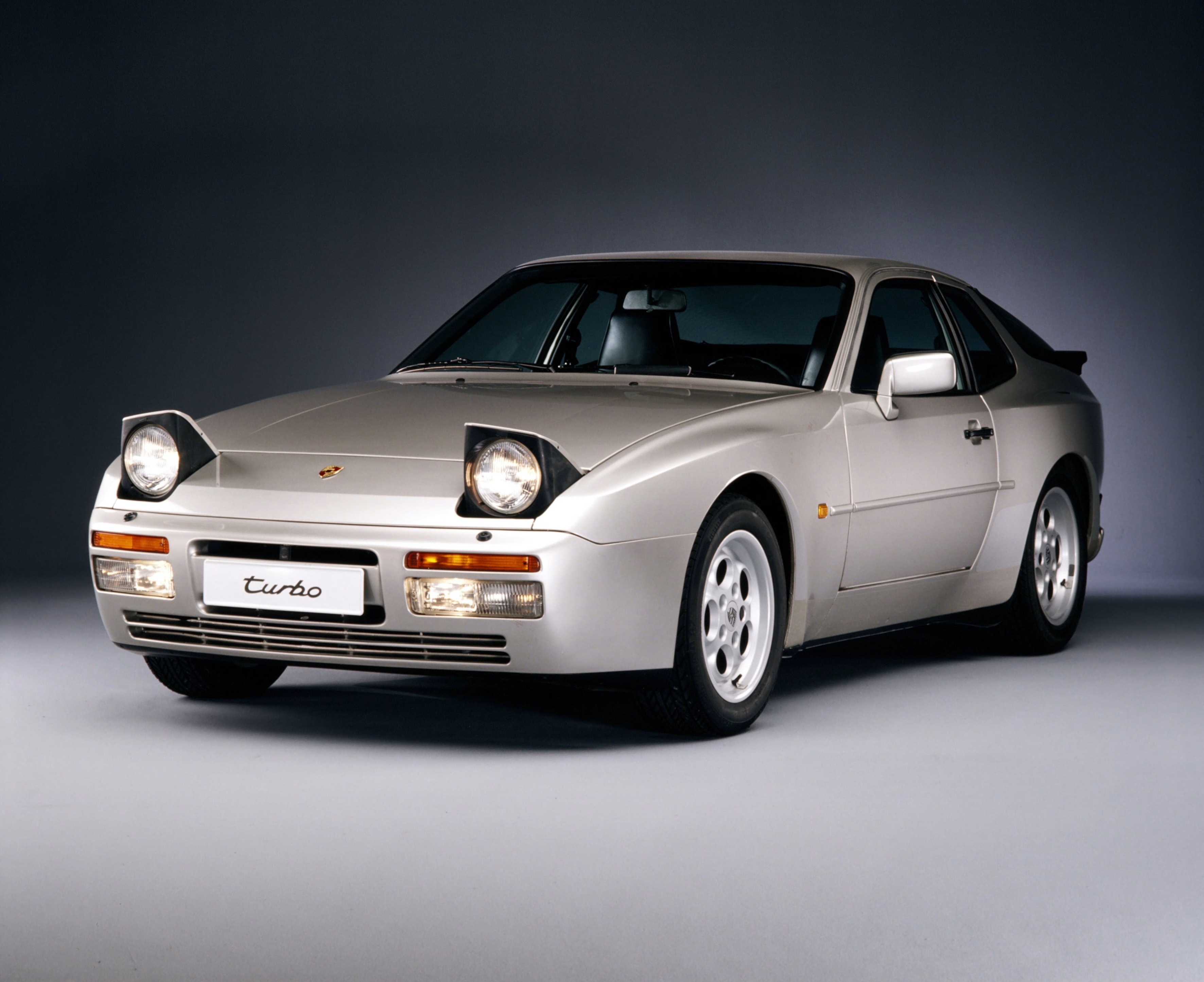
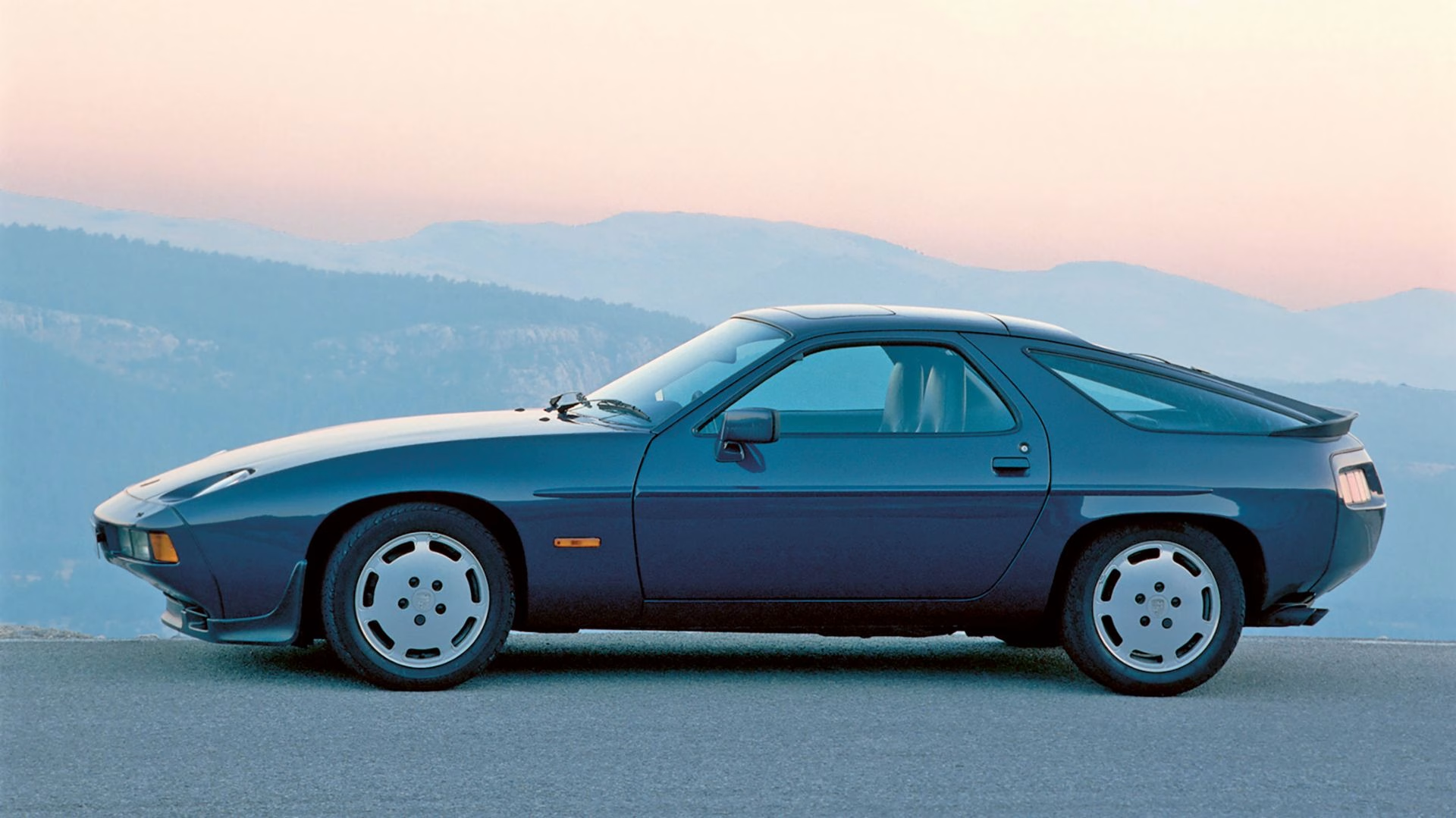
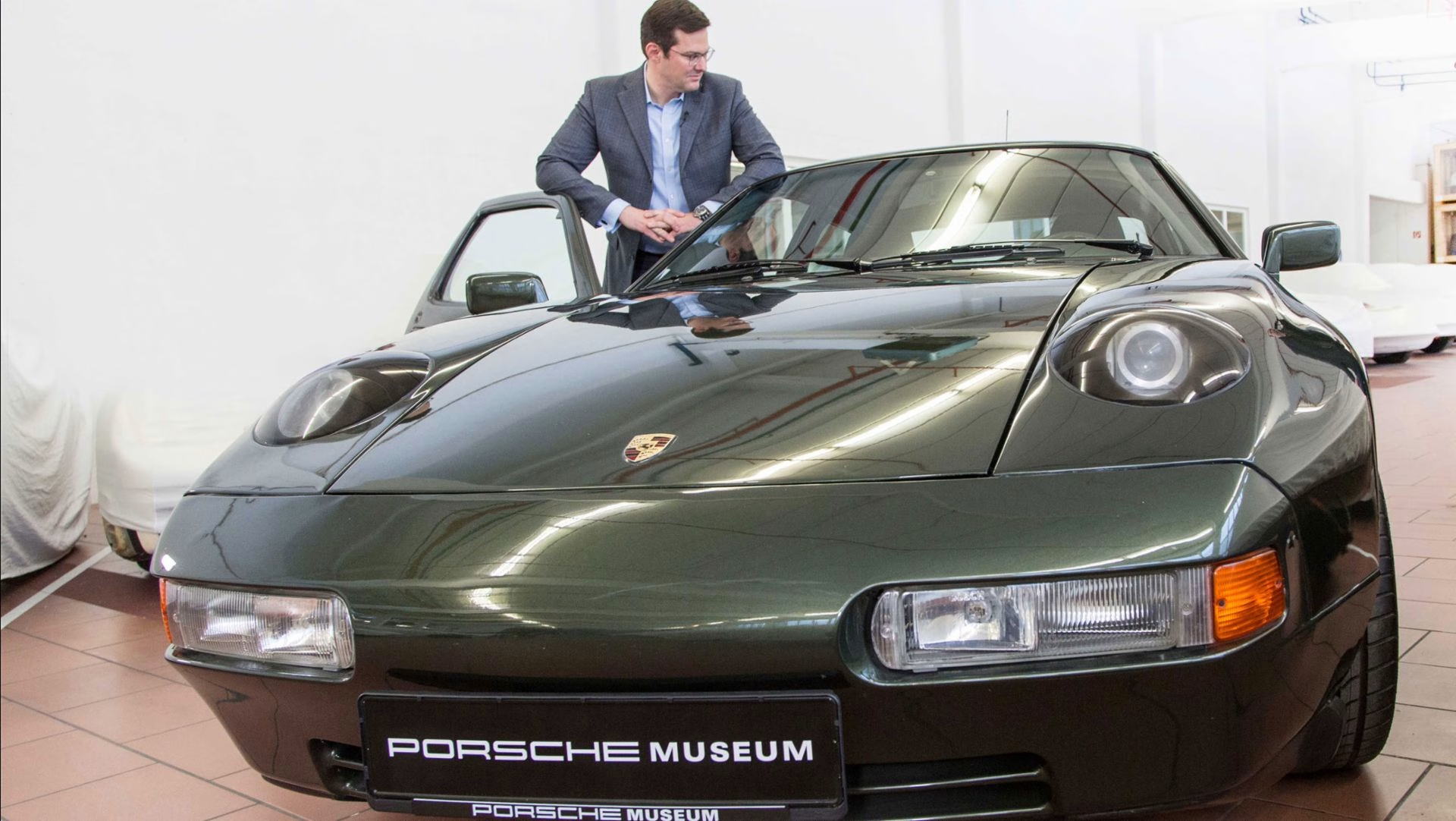
Here is the fact I would save for the pub, because it reliably stops people mid-sip. In the 1970s, Porsche did not expect the 911 to survive. Convinced that looming safety and emissions laws would doom the rear-engined, air-cooled layout, and led by an engineering chief who found the 911 quirky and difficult, the company designed a replacement: the 928, a big, front-engined, water-cooled V8 grand tourer meant to carry Porsche upmarket and into the future.
The Porsche 928 was so accomplished that in 1978 it became the first, and still the only, sports car ever named European Car of the Year.
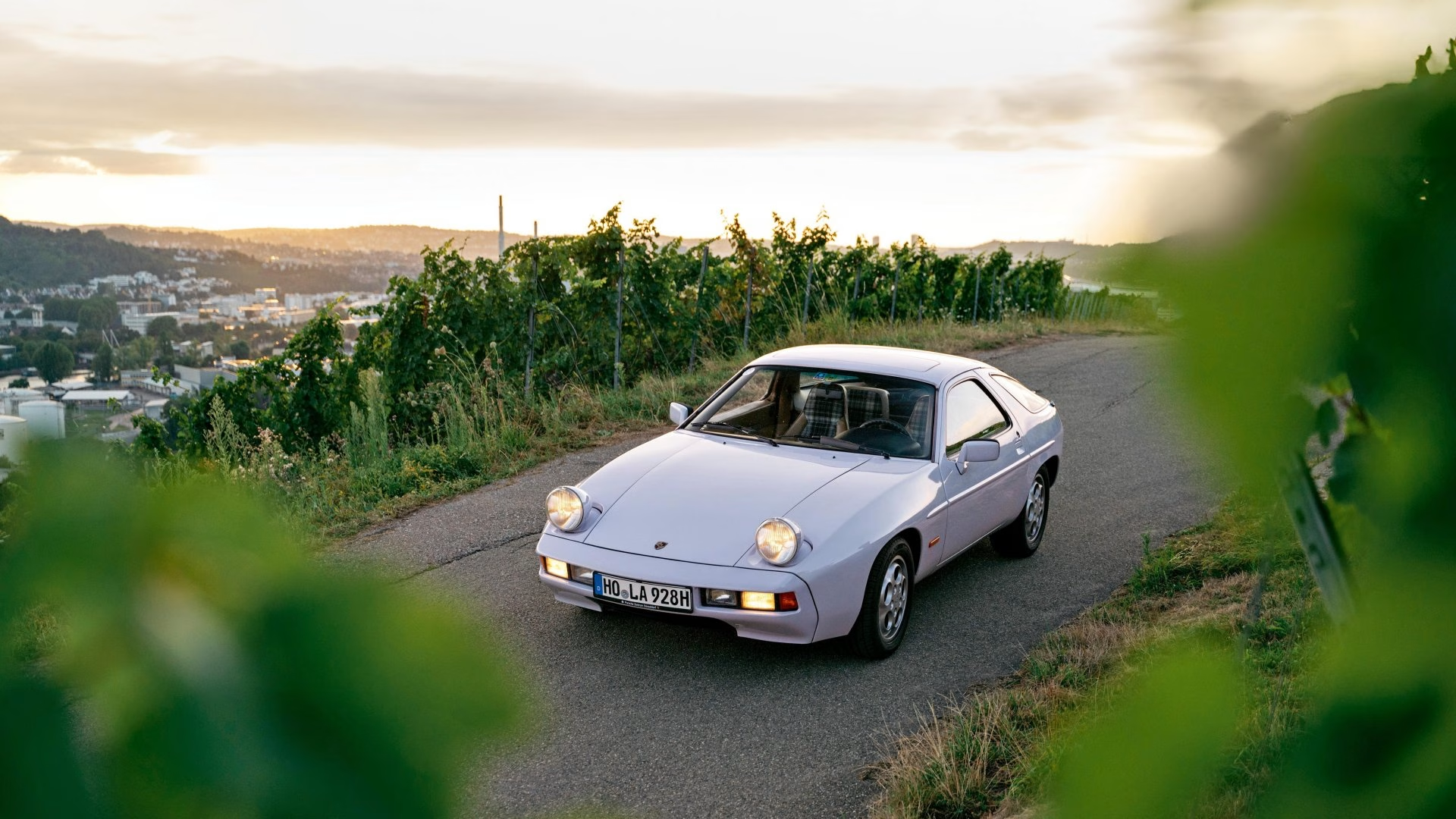
And then the thing Porsche built to replace the 911 was calmly, comprehensively outlived by the 911. Over their overlapping lives Porsche sold roughly 61,000 of the 928 and getting on for 200,000 G-series 911s alone. The car the bosses thought was the past refused to die, and the car they thought was the future settled into a long, dignified career as the 911’s more comfortable cousin before bowing out in 1995.
There is a lesson in there about betting against a genuinely great design, and Porsche, to its credit, has spent the decades since taking exactly the opposite bet, and winning.
Which brings us back to that receipt sketch. The reason we can all draw a 911 is not that Porsche lacked the imagination to change it. It is that the company changed almost everything else, again and again, precisely so it would never have to change the one thing that matters.
Sixty years on, that is starting to look less like stubbornness and more like the single best decision in the history of the sports car.
Key Porsche 911 generations at a glance
| Original (901/911) | 1964 onward, air-cooled flat-six, the Butzi Porsche shape |
| G-series | 1973 to 1989, impact bumpers, first Targa, Turbo and Cabriolet |
| 964 | 1989 to 1994, around 85% new, first all-wheel-drive 911 |
| 993 | 1994 to 1998, last air-cooled and last hand-built 911, first six-speed |
| 996 | 1997 to 2006, first water-cooled 911, shared parts with the Boxster |
| 997 | 2004 to 2012, round headlights restored, water-cooled refinement |
| 991 | 2011 to 2019, mostly aluminium, passed one million 911s built in 2017 |
| 992 | 2019 onward, the current 911, faster and more advanced than ever |
Frequently asked questions
The car launched as the 901, Porsche’s internal project number, and 82 were built with that badge. Peugeot claimed it owned the rights in France to any three-digit name with a zero in the middle, so Porsche changed the central zero to a one, and the 911 was born.
The 993, built from 1994 to 1998. It was the last air-cooled 911 and also the last to be largely hand-built, which is a big part of why enthusiasts prize it so highly.
With the 996 in 1997. The change was driven by tightening emissions and noise rules and the need for a modern four-valve engine, and it arrived alongside the shared-parts Boxster that helped rescue Porsche financially.
The 964 Carrera 4 of 1989. Its all-wheel-drive system was derived from the 959 supercar and cleverly used the car’s ABS sensors to help manage grip.
Yes. The 928, a front-engined V8 grand tourer, was designed in the 1970s to succeed the 911, on the assumption that regulations would kill the rear-engined layout. It won European Car of the Year in 1978 but never replaced the 911, which outsold and outlived it.
Porsche passed one million 911s during the 991 generation, reaching the milestone in 2017. Production has continued ever since with the 992, so the total keeps climbing.
Photo credits: All images courtesy of Porsche.
Like What You’ve Read?
For more articles like this, receive our weekly e-newsletter, including partner deals and all things motoring, register your email below.
Please note: You cannot subscribe to Smart-Motoring unless you put a tick in the checkbox below to indicate have read and agreed to our privacy policy.