


When we think about car insurance claims, many of us picture major accidents – dramatic crashes and write-offs that make the headlines. But in reality, the vast majority of claims result from more common, everyday incidents, such as parking scrapes or confusion at roundabouts.
And, of course, these accidents aren’t always due to our own driving mistakes – often, they’re caused by the careless or reckless actions of others.
At Grove & Dean, we’ve analysed insurance data from across the UK and identified the two most frequent causes of claims: low-speed parking incidents and roundabout collisions.
Accident Hotspots: Where Are Collisions Most Likely?
According to the Department for Transport, urban roads are where accidents occur most frequently. In fact, urban roads are around ten times more hazardous than motorways, with a casualty rate of 719 per billion miles, compared to just 76 on motorways.
Busy city streets – particularly near shopping centres and roundabouts – are hotspots for collisions.
Take supermarket car parks, for example. Research shows that around 20% of all traffic accidents occur in car parks, with supermarket car parks being especially risky.
According to Which?, your vehicle is twice as likely to be hit in a supermarket car park compared to a shopping centre.
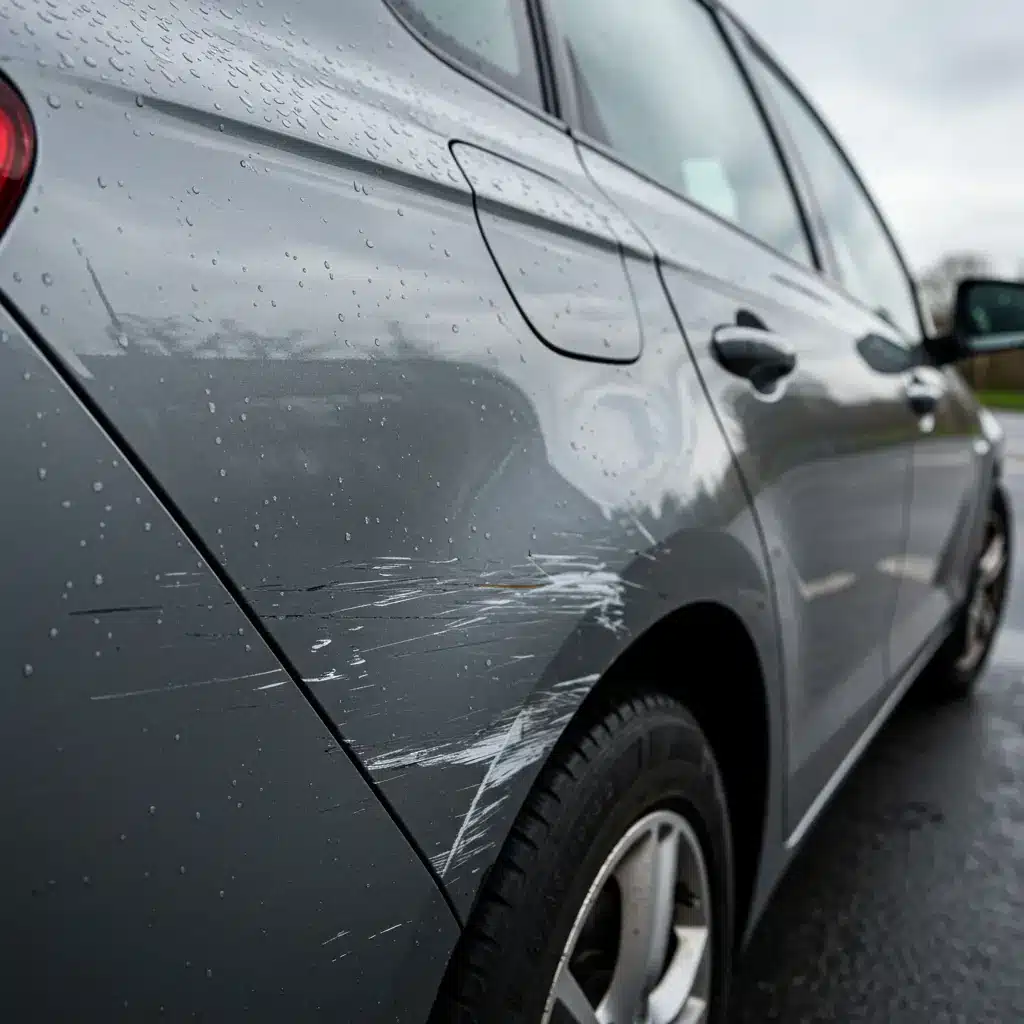
Roundabouts also feature heavily in accident statistics. A study of near-miss incidents reported by AA Accident Assist revealed that roundabouts were the most common locations for close calls, accounting for 20% of all near-miss scenarios in 2024. This is largely down to drivers failing to look properly, misjudging other vehicles’ speeds, or simply being distracted.
Parking Bumps
Parking, particularly in congested urban areas, can be a challenge – even with the help of automated parking technology. While readers of this article might consider themselves perfect parkers, others may misjudge spaces or fail to check their blind spots.
These mistakes lead to a significant number of low-speed collisions, with parking incidents accounting for 20% of all car insurance claims in the UK.
Roundabout Thumps
Roundabouts are designed to keep traffic flowing – but when drivers fail to follow the rules, they can quickly become chaotic. In fact, they are the most common locations for near-miss incidents, accounting for 20% of the 2,810 near-collisions reported to AA Accident Assist in 2024.
Most of these incidents involve drivers misjudging distances, changing lanes suddenly, or failing to pay attention to what’s happening around them.
Research by NimbleFins into the cause of car accidents further highlights that failing to look properly contributes to over 30% of all crashes in the UK.
Common roundabout issues include:
- Not yielding properly – Pulling out too soon or failing to give way to traffic already on the roundabout is a common cause of accidents, especially when traffic is heavy and there’s little room to manoeuvre.
- Last-minute lane changes – Sudden lane changes without signalling can lead to side-swipe collisions, particularly in areas where lanes merge or diverge unexpectedly.
- Poor signalling – Failing to indicate, or signalling incorrectly, can confuse other drivers and make it difficult for them to anticipate your movements.
- Tailgating – When traffic builds up on roundabouts, some drivers follow too closely. If the vehicle in front brakes suddenly, this often results in a rear-end collision.

Staying out of Trouble
While we can’t control the behaviour of other drivers, we can stay alert and adjust our habits to help avoid accidents. Here are some tips to reduce your risk:
- Parking – Be aware of drivers who may be rushing or distracted. Don’t rely solely on parking sensors – they’re helpful, but nothing beats careful observation. Take your time when parking in crowded areas – a few extra moments can save you the stress of a claim.
- Roundabouts – Approach roundabouts with caution, particularly in busy areas. If another driver pulls out too early or changes lanes unpredictably, don’t panic – let them go first. Always signal clearly to avoid confusing other drivers.
And Beware Fridays!
Interestingly, research shows that you’re more likely to be involved in an accident on a Friday. A study by Lightfoot found that Friday is the worst day for accidents, with a noticeable increase in speeding, harsh braking, and aggressive driving as people rush to start their weekend. Fatigue and stress after a long week appear to play a role in this spike in risky behaviour.
Staying safe on a Friday, especially during the evening commute, means being extra aware of drivers who may be tired, distracted, excited about the weekend, impatient or all four!
So, whether it’s a misjudged parking manoeuvre, a failure to yield at a roundabout, or distracted driving, the mistakes of others can have a serious impact on your safety. By being aware of accident hotspots and staying alert to the behaviour of other drivers, you can help reduce your risk – and avoid the hassle of dealing with an insurance claim.

Like What You’ve Read?
For more articles like this, receive our weekly e-newsletter, including partner deals and all things motoring, register your email below.
Please note: You cannot subscribe to Smart-Motoring unless you put a tick in the checkbox below to indicate have read and agreed to our privacy policy.